Date:2026-11-07
A fruit juice processing line includes equipment for raw material handling, pressing or extraction, filtration, heat treatment, and packaging of the finished product. The specific configuration depends on the type of fruit, the end product (clear juice, juice with pulp, or puree), and the factory's production capacity. A fruit juice processing line typically goes through the following main stages: Depending on the technology, the product may be heat-treated before or after filling. With in-package pasteurization, the product is filled and sealed before being pasteurized. With an aseptic UHT process, the product is sterilized first and then filled under aseptic conditions. Equipment should be selected based on the structure of the raw material and the form of the final product. Each type of fruit differs in seeds, flesh, and water content, which leads to different processing requirements. In addition to the raw material, the form of the product also determines the line configuration: Clear juice: Requires pressing or extraction, followed by filtration to remove pomace and fibers. Juice with pulp: A pulper and homogenizer can be used to adjust uniformity. Fruit puree: Requires crushing or pulping into a fine puree, combined with pitting if the raw material has hard pits. Concentrated fruit juice: Uses a falling film evaporator to remove part of the water and increase the dry solids content. Aseptically packaged products: Require a UHT system combined with an aseptic filling machine. A homogenizer helps disperse the components in the product more evenly. A deaerator removes dissolved gases or air bubbles, limiting the impact of oxygen on juice quality. The equipment in a line needs to be sized in a coordinated way to prevent earlier stages from running faster than later ones, which causes a buildup of semi-finished product or reduces production efficiency. When designing a line, the factory should consider the following factors: Equipment capacity: The throughput of the press, pulper, filtration equipment, and filling machine should be calculated to match one another to minimize idle time. Connections between stages: Arrange intermediate buffer tanks and piping systems for transferring semi-finished product to maintain continuous production flow. Tank capacity: Calculate according to processing flow rate and the waiting time between stages. Equipment cleaning: Consider a clean-in-place (CIP) system to support cleaning of tanks, piping, and equipment in the line. Heat treatment and packaging method: Select pasteurization, UHT, and filling technology according to product characteristics and packaging type. Factory layout: Arrange equipment in production sequence to facilitate operation, maintenance, and cleaning. A line with high-capacity machines but unbalanced stages can still develop bottlenecks. Therefore, selecting each piece of equipment should go hand in hand with an overall process calculation. Mutto provides equipment for many stages of the fruit juice processing line, from washing, preparation, pressing, and extraction to filtration, homogenization, deaeration, heat treatment, concentration, and filling. The equipment can be connected into a complete line according to the characteristics of the raw material and the requirements for the finished product. Depending on the project, Mutto will consider capacity, process technology, factory layout, and packaging options to propose a suitable configuration. Mutto's working process consists of 5 steps: receiving information, site survey, solution proposal, installation and operation training, and technical support. This approach ensures the equipment solution is tied to the factory's actual production conditions. Can one line process multiple types of fruit? Yes. A line can process multiple types of fruit if the equipment meets the characteristics of the raw material and the requirements of each product. However, the factory may need to change the parts that contact the raw material, adjust operating parameters, or change the processing sequence between batches. How do fruit juice and puree differ in terms of processing equipment? Juice typically requires pressing or extraction and filtration to obtain the fruit liquid. Puree retains the fruit flesh in crushed or finely pulped form, so it usually requires a crushing machine, a pulper, and a pitting machine if the raw material has hard pits. Why does fruit juice need to be filtered after pressing? Filtration removes pomace, fibers, and unwanted solid components from the juice. The degree of filtration depends on the end product: clear juice requires more solids removal, while juice with pulp can retain some fruit flesh according to the recipe. When is fruit juice concentration equipment needed? Concentration equipment is used when a factory wants to reduce water content and increase the concentration of dry solids in the product. A falling film evaporator is one option for this stage, depending on the characteristics of the juice and the technological requirements. How do pasteurization and UHT sterilization differ? Pasteurization uses heat to reduce the number of microorganisms and extend shelf life. UHT treats the product at a very high temperature for a short time to achieve commercial sterility. UHT products must be aseptically filled and packaged in suitable packaging to be stored under the designed conditions. Should filling or heat treatment come first? The order depends on the technology. With in-package pasteurization, the product is filled, sealed, and then pasteurized. With an aseptic UHT line, the product is heat-treated first and then filled in an aseptic environment. A fruit juice processing line should be designed based on the characteristics of the raw material, the form of the end product, and the factory's capacity. Even for the same type of fruit, choosing between clear juice and puree can lead to two different equipment configurations. Mutto provides equipment groups from preparation, pressing, and extraction to heat treatment, concentration, and filling. Contact Mutto for consulting on a line solution tailored to your actual production needs.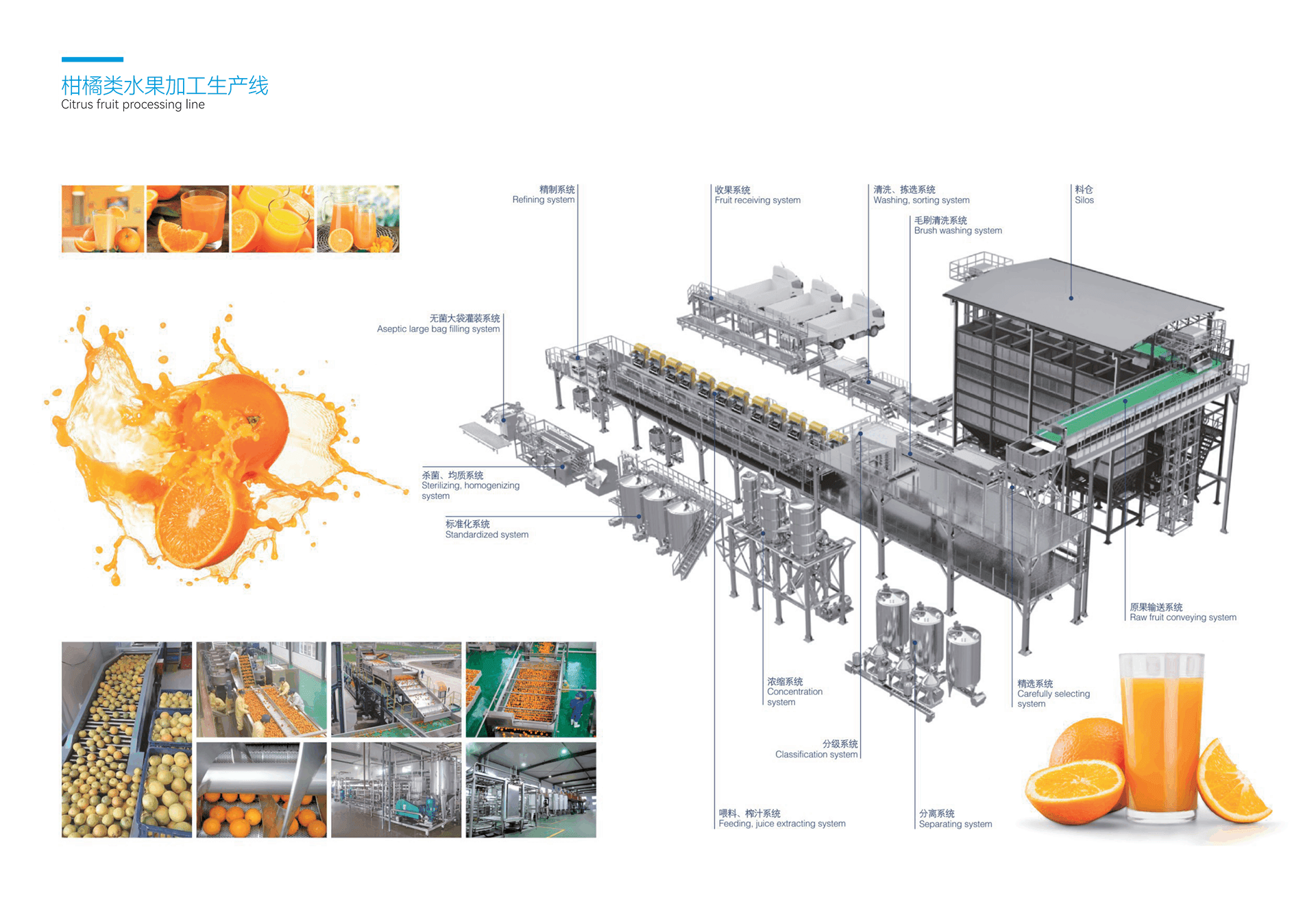
1. What Stages Does a Fruit Juice Processing Line Include?
2. Selecting Equipment by Fruit and Product Characteristics
3. Why Should the Equipment in a Line Be Designed as an Integrated System?
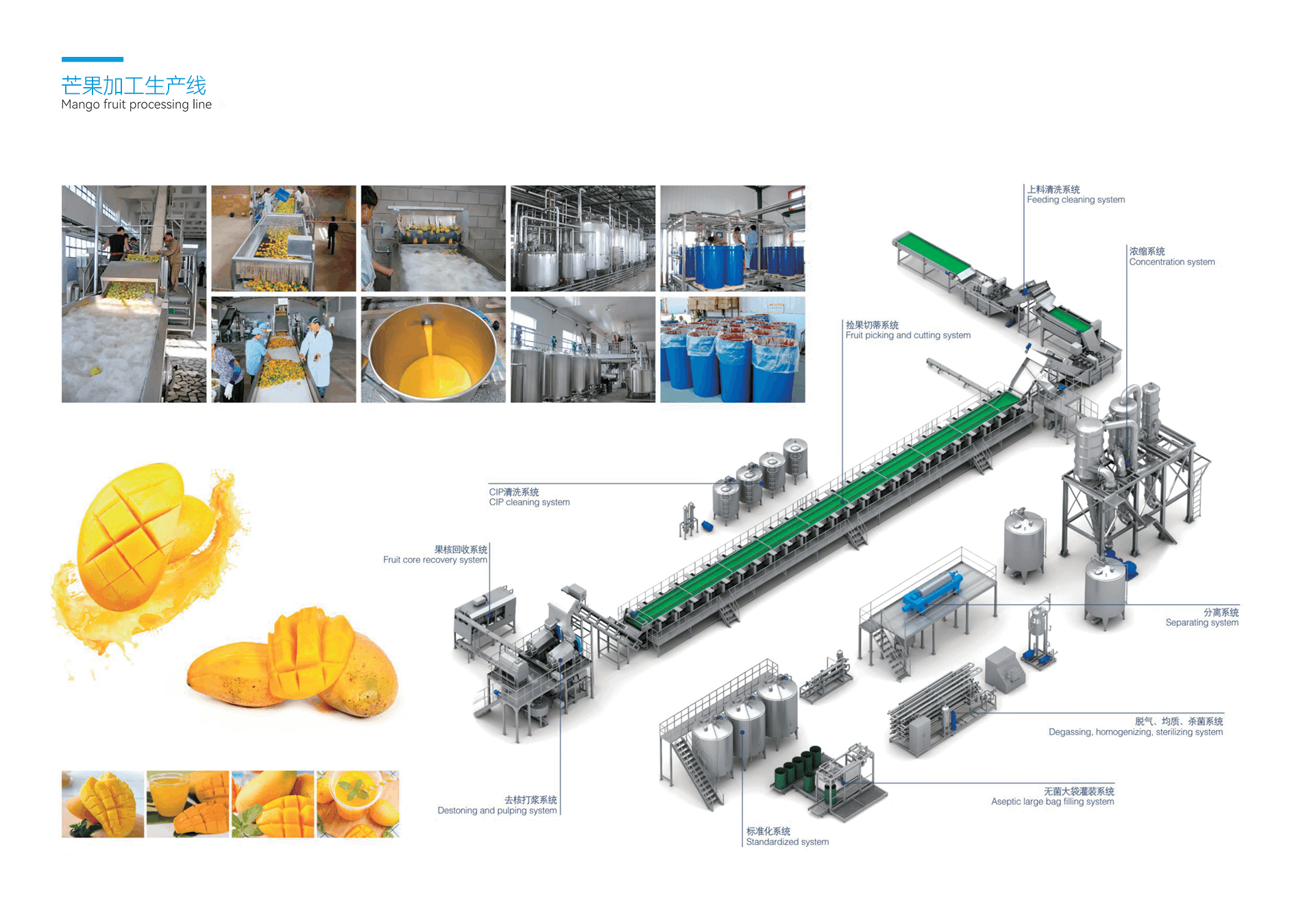
4. Fruit Juice Processing Equipment Solutions from Mutto
Frequently Asked Questions About Fruit Juice Processing Lines
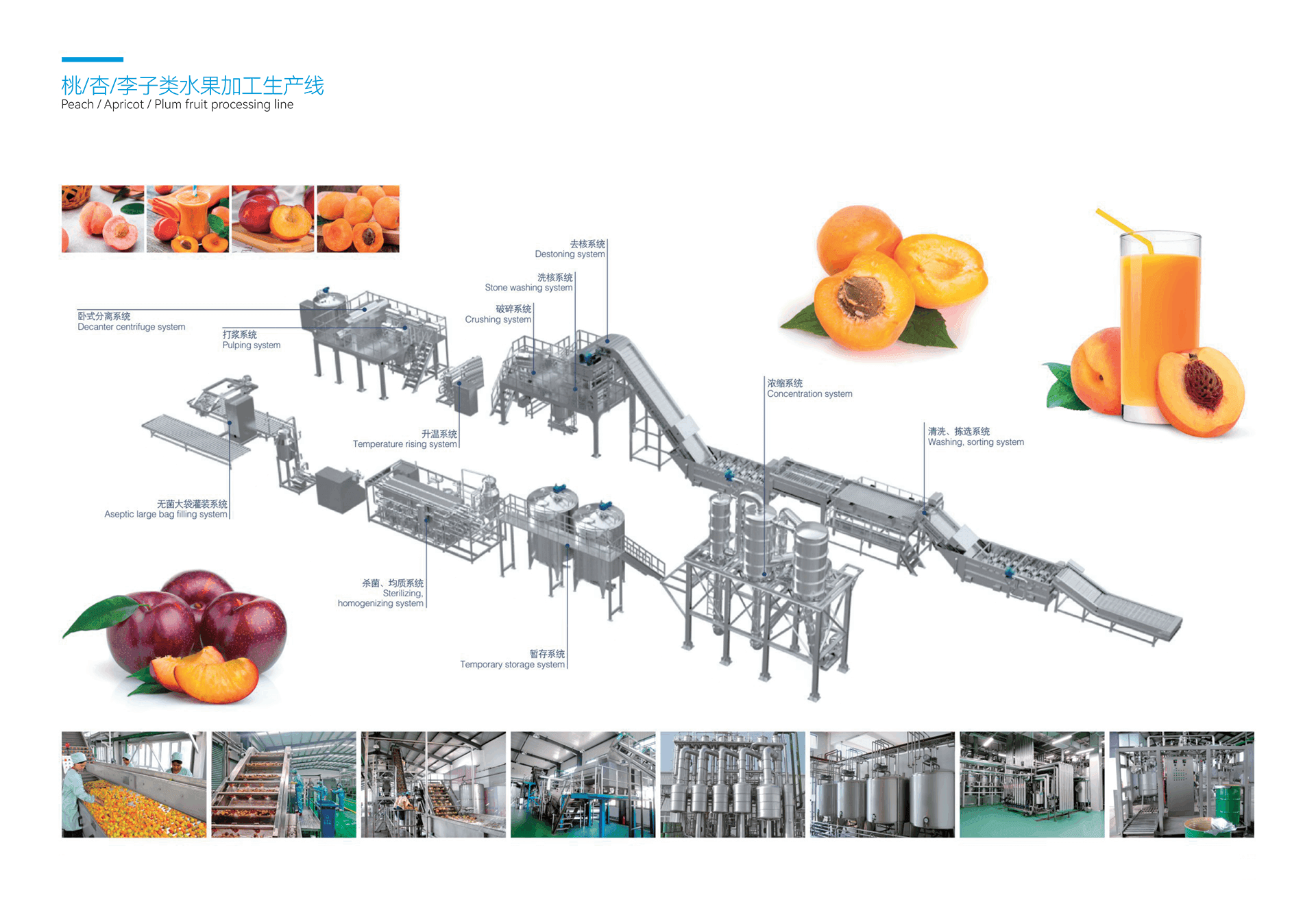
Conclusion
MUTTO (VIETNAM) MACHINERY EQUIPMENT COMPANY LIMITED
Address: 26-28-30 Street No. 7, Conic Residential Area, Hamlet 5, Binh Hung Commune, Ho Chi Minh City, Vietnam
Hotline: (+84) 917552177
Email: info@mutto.com.cn
Website: https://en.mutto.com.cn/
Facebook: https://www.facebook.com/MuttoFillingSolution/
Instagram: https://www.instagram.com/muttofillingsolution/
LinkedIn: https://www.linkedin.com/company/mutto-filling-solution/

Mainland China Region: Add:Building 6, No. 314 Shenxia Road, Jiading District, Shanghai
Tel:021-69896938
Vietnam Office: Add:26-28-30 Street No.7, Conic Residential, HoChiMinh City , VietNam
Tel:+84 917552177
Email: Email:info@mutto.com.cn
版权所有@2026牧东机械制造(上海)有限公司技术支持:撼云网络
 CN
 EN
 VI