Date:2026-11-10
A CIP (Cleaning In Place) system cleans production equipment where it stands, circulating water and cleaning solutions through pipes, tanks and processing equipment without disassembly. It helps plants remove product residue after production and reduce manual cleaning time.
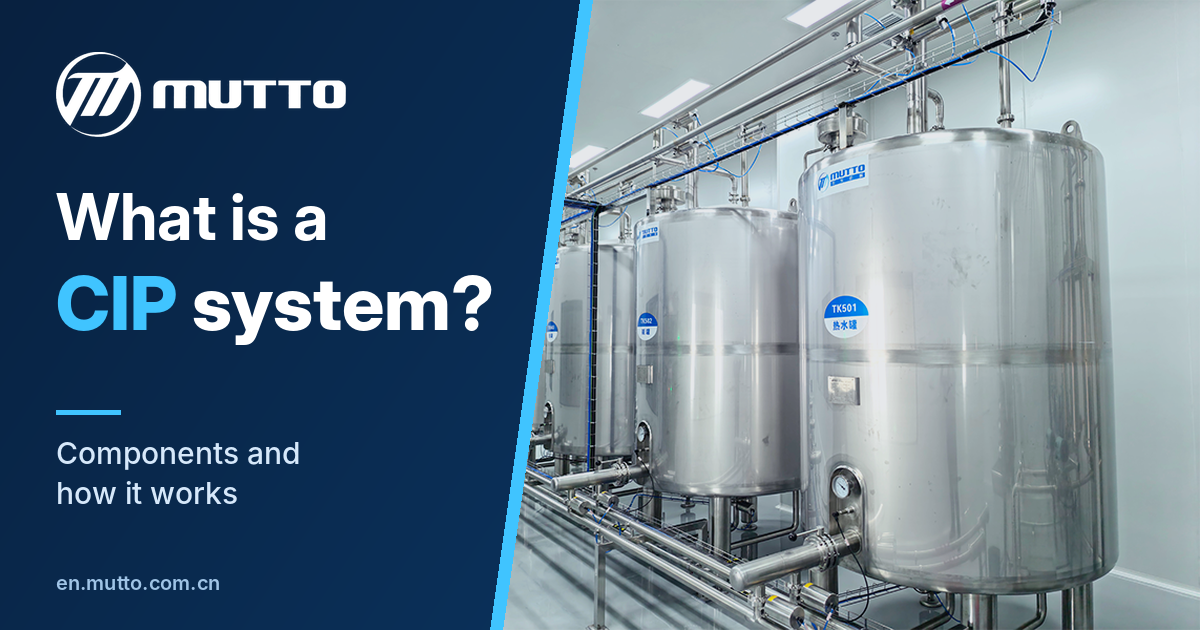
A CIP system cleans production equipment by circulating water and cleaning solutions across the surfaces that come into contact with the product. Instead of dismantling each part, the system delivers solution to the areas that need cleaning through pipes, pumps and spray devices. CIP stands for Cleaning In Place. It is commonly used in food and beverage production lines, especially those with tanks, pipes and liquid-handling equipment. CIP is often mentioned alongside SIP, but the two methods serve different purposes: CIP works well only on equipment and piping designed so that the cleaning solution can reach the surfaces that need cleaning.1. What Is a CIP System?
A CIP system consists of tanks, circulation pumps, a heating unit, a chemical dosing pump, piping, valves and a control cabinet. The actual configuration varies with the scale of the production line. Some systems also use spray balls to distribute solution over the inner surfaces of tanks.
A CIP system circulates water and cleaning solutions through the equipment according to a preset program. A typical cycle includes the following steps: Pre-rinse: Water is pumped through the pipes and equipment to flush away leftover product. Alkaline wash: Alkaline solution circulates to remove organic soil such as fats, proteins and product residue. Intermediate rinse: Water is introduced to push the remaining alkaline solution out of the system. Acid wash: When mineral scale needs to be treated, acid solution circulates to dissolve the inorganic deposits on the surfaces. Final rinse: Water circulates to remove any remaining chemical residue, returning the equipment to a ready state for the next stage. Not every cycle includes all of these steps. The sequence, time, temperature and chemical concentration are set according to the raw materials, the level of soiling and the cleaning requirements of each production line.
CIP cleaning effectiveness is determined by four factors: time, temperature, chemical concentration and the mechanical action of the flow. These four factors are closely related and are commonly described by the Sinner’s Circle model. The four factors need to be adjusted together. For example, higher temperature does not always clean better: in dairy processing, proteins can denature at high temperatures and form deposits that are harder to remove. Chemical concentration also needs control. A solution that is too dilute may not remove all the soil, while one that is too concentrated raises costs and may affect equipment materials.
When choosing a CIP system, a plant should consider the scale of the production line, the number of pieces of equipment to be cleaned and the requirements of the production process. Tank capacity is only one criterion; circulation flow rate, heating capability and how the solution is distributed to each piece of equipment matter just as much. Mutto offers CIP system models with different acid and alkali tank capacities: Notable features of the Mutto CIP system: Automatic acid and alkali dosing: Dosing pumps add chemicals according to the operating program. Solution concentration monitoring: Supports concentration control during cleaning. Spray balls: Selected to match tank size, distributing solution over the surfaces to be cleaned. Reserved connection ports: Support connecting the CIP system to other equipment in the line. When choosing a model, compare the tank capacity with the volume of solution used and the CIP sequence of your line. For full details, see the Mutto CIP cleaning system page. If you need help choosing a model for your equipment and cleaning process, contact Mutto to discuss the system configuration.
No. Depending on the process, a plant may need only one type of solution. Alkaline solution is typically used for organic soil, while acid helps remove mineral scale. Choose chemicals based on the composition of the soil, the equipment materials and the chemical supplier’s guidance. Frequency depends on the product, operating time, level of soiling and the plant’s hygiene control procedures. Set the cleaning interval based on risk assessment and inspection results rather than applying a fixed interval to every production line. No. CIP is only an equipment cleaning solution. Plants still need to maintain HACCP along with their cleaning programs, quality control and food safety management as applicable. CIP systems are used mainly in production lines with tanks, pipes and equipment that handle liquid or semi-liquid materials, such as milk and dairy products, fruit juice, tea and soft drinks, nutritional beverages and sauces. In-place cleaning lets a plant clean its equipment between batches or when switching products. Beyond tanks and pipes, CIP can also clean filling machines or pouch packing equipment, provided those machines are designed to support in-place cleaning.Does a CIP system have to use both acid and alkaline solutions?
How often should CIP cleaning be carried out?
Can a CIP system replace food safety controls?
Which industries use CIP systems?
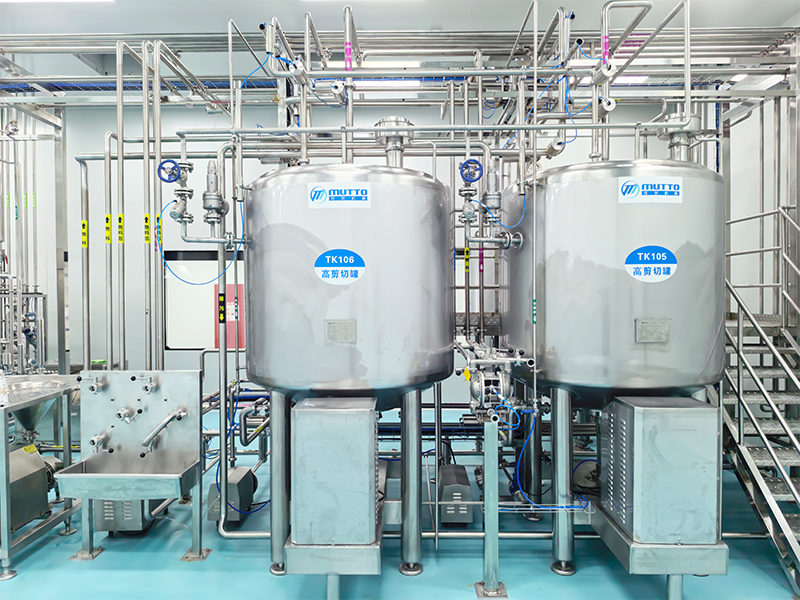
A CIP system lets a plant clean tanks, pipes and production equipment without disassembly. Cleaning effectiveness is determined by time, temperature, chemical concentration and the mechanical action of the flow. With the CN-PI1000, CN-PI2000 and CN-PI3000 models, Mutto offers CIP options for production lines of different scales. MUTTO (VIETNAM) MACHINERY EQUIPMENT COMPANY LIMITED Address: 26-28-30 Street No. 7, Conic Residential Area, Hamlet 5, Binh Hung Commune, Ho Chi Minh City, Vietnam Hotline: (+84) 917552177 Email: info@mutto.com.cn Website: https://en.mutto.com.cn/ Facebook: https://www.facebook.com/MuttoFillingSolution/ Instagram: https://www.instagram.com/muttofillingsolution/ LinkedIn: https://www.linkedin.com/company/mutto-filling-solution/

Mainland China Region: Add:Building 6, No. 314 Shenxia Road, Jiading District, Shanghai
Tel:021-69896938
Vietnam Office: Add:26-28-30 Street No.7, Conic Residential, HoChiMinh City , VietNam
Tel:+84 917552177
Email: Email:info@mutto.com.cn
版权所有@2026牧东机械制造(上海)有限公司技术支持:撼云网络
 CN
 EN
 VI