Date:2026-06-11
You're producing food or beverages. You have filling machines, packaging machines, a complete production line. But without a sterilizer, the entire process is incomplete. This isn't just a piece of equipment you can have; it's a mandatory requirement to ensure your product is safe for consumers.
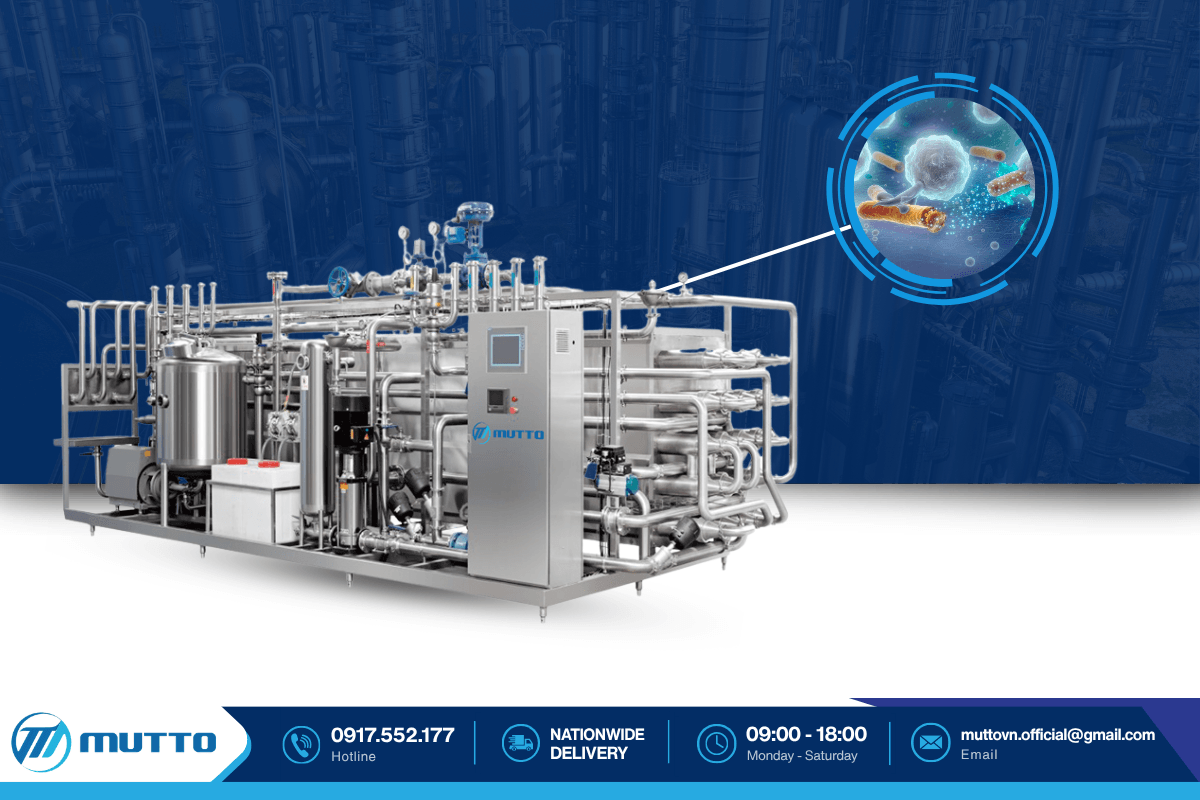
A sterilizer is a device used to kill bacteria, fungi, spores, and pests in a product. It works by high temperature, high pressure or a combination of both. Based on the characteristics of the product, it will be designed separately to suit each type of product.
Many businesses confuse sterilization with sterilization. These two concepts are completely different. Sterilization only reduces microorganisms to a safe level. Sterilization is complete destruction, meeting absolute sterilization standards. This is why the sterilizer cannot be replaced with any conventional toilet equipment.
Regardless of whether the product is made from milk, juice, or herbal drinks, the operating principle of a sterilizer revolves around a specific three-step process. While simple, each step is crucial.
The product is placed in the processing chamber. The temperature increases gradually according to a pre-set program. There are no sudden temperature increases. This helps prevent thermal shock to the packaging or the product inside.
This is the most critical stage. The product is maintained at the target temperature for a precisely controlled period. Bacteria, spores, and mold are completely destroyed during this stage. Holding time that is too short will result in ineffective sterilization, while holding time that is too long will affect product quality. That is why this parameter must be programmed and controlled automatically, without relying on manual operation.
The product is gradually cooled to a temperature suitable for storage and transportation. Abrupt cooling can deform the packaging or alter the product's structure. Controlled cooling is the final step to protect quality before the product leaves the production line.
All three stages are automatically controlled by a PLC system. Temperature, pressure, and residence time at each stage are fully recorded for each production batch. No manual intervention is required. There is no error between operators on different shifts. Each batch is processed under the same, consistent conditions and is traceable when needed.
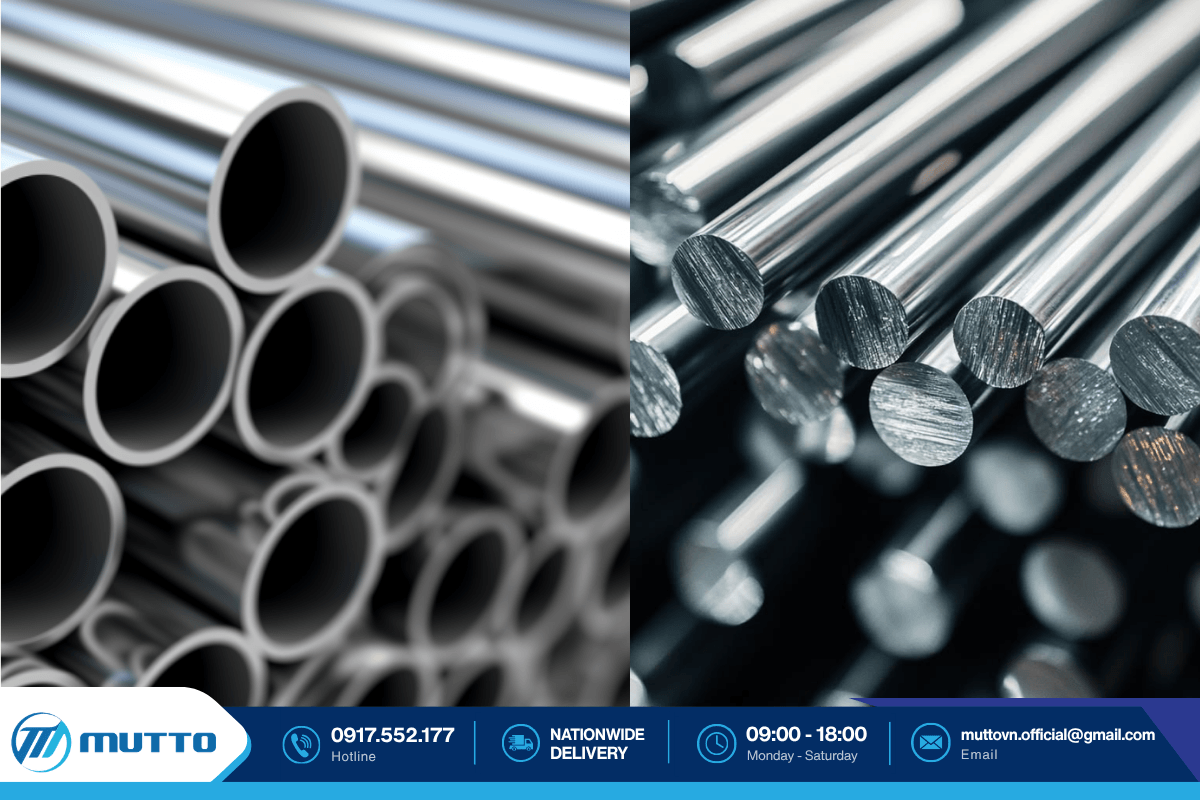
The materials used in the machine's construction directly affect its lifespan and food safety. The sterilization chamber and casing meet standards and are made of SUS304 or SUS316 stainless steel. These materials are rust-resistant, heat-resistant, and pressure-resistant, while also meeting international food safety and hygiene standards.
Furthermore, shut-off valves are also of the specialized heat-resistant type. They maintain pressure throughout the operation. If the machinery is not made from standard materials, the risk of heavy metal contamination of the product is entirely possible.
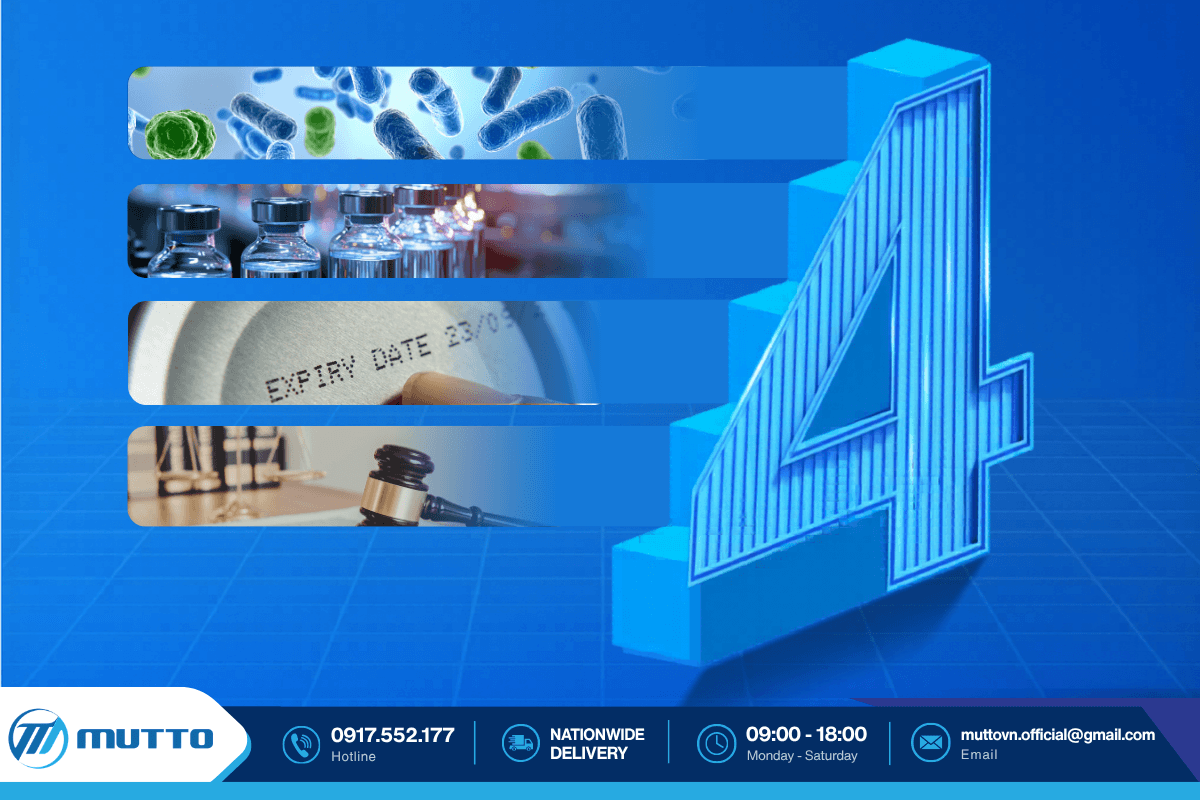
This is its core function. The sterilizer uses high temperatures combined with precisely controlled holding times. The goal is to completely eliminate bacteria, mold, and even heat- and drug-resistant spores. The product achieves absolute commercial sterility, meeting stringent standards such as those of the US FDA and international food safety regulations.
Liquid raw materials from the natural environment always carry the risk of bacterial contamination. A closed-loop sterilization process completely eliminates microbial hazards right from the input. An automated cleaning system (CIP) thoroughly cleans the pipelines after each batch. Cross-contamination between product batches is absolutely prevented.
The product is rapidly heated and immediately cooled after sterilization. This process kills microorganisms that cause spoilage and fermentation. Nutritional value and natural flavor are preserved. The product can be stored for a long time at room temperature without the need for chemical preservatives. This is a major advantage in the context of the increasing trend of clean consumption.
The automated system records all operational process data. Businesses have complete and transparent records to meet export certification requirements. In addition, the equipment is capable of recovering and reusing thermal energy during operation. Energy costs are significantly optimized in the long term.
This is a question many business owners ask. The answer is: it's worth it, more than you think.
A batch of contaminated products released onto the market harms consumers. The consequences extend beyond product recalls. The brand reputation that a business has spent years building can collapse after just one incident. Sterilization machines are the final and most crucial layer of protection.
Products that meet sterilization standards mean a lower rate of defective goods. Material waste is reduced. The cost of handling defective products is also controlled. In the long term, these savings far outweigh the initial investment costs.
Japan, China, Europe — these markets are increasingly tightening food safety standards. Businesses with sterilization lines that meet standards can confidently overcome technical barriers. They no longer have to worry about returned goods or rejected import permits.
Many businesses still skip the sterilization step to cut costs. But today's consumers are smarter. They read labels, check origins, and compare products. A production process with strict microbiological control is a differentiating factor that is difficult to replicate. That is a real competitive advantage.
The applications of sterilizers are much broader than many people think. They are not limited to just one specific industry.
Products requiring sterilization include: herbal drinks, fresh milk, nut milk, fruit juices, syrups, bottled water, and fermented beverages. All require strict microbiological control to ensure safety and extend shelf life.
Liquid medications, intravenous solutions, medicinal syrups, and health supplements are all required to undergo sterilization. This is a legal requirement, not an option.
In summary: any product that comes into direct contact with the human body requires rigorous sterilization.
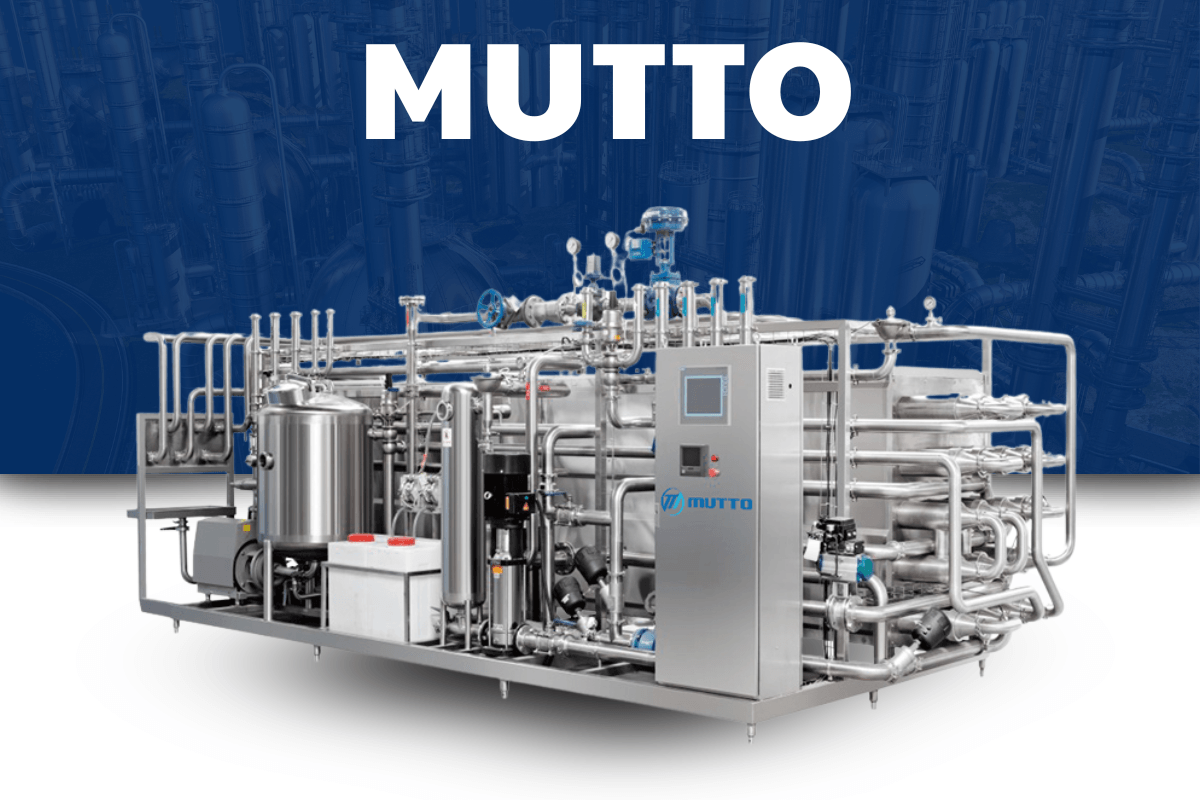
No single sterilizer is suitable for all needs. Each product line and scale of production requires a different solution. Mutto currently offers a range of tubular UHT sterilizers—a flagship product designed for flexible, real-world requirements.
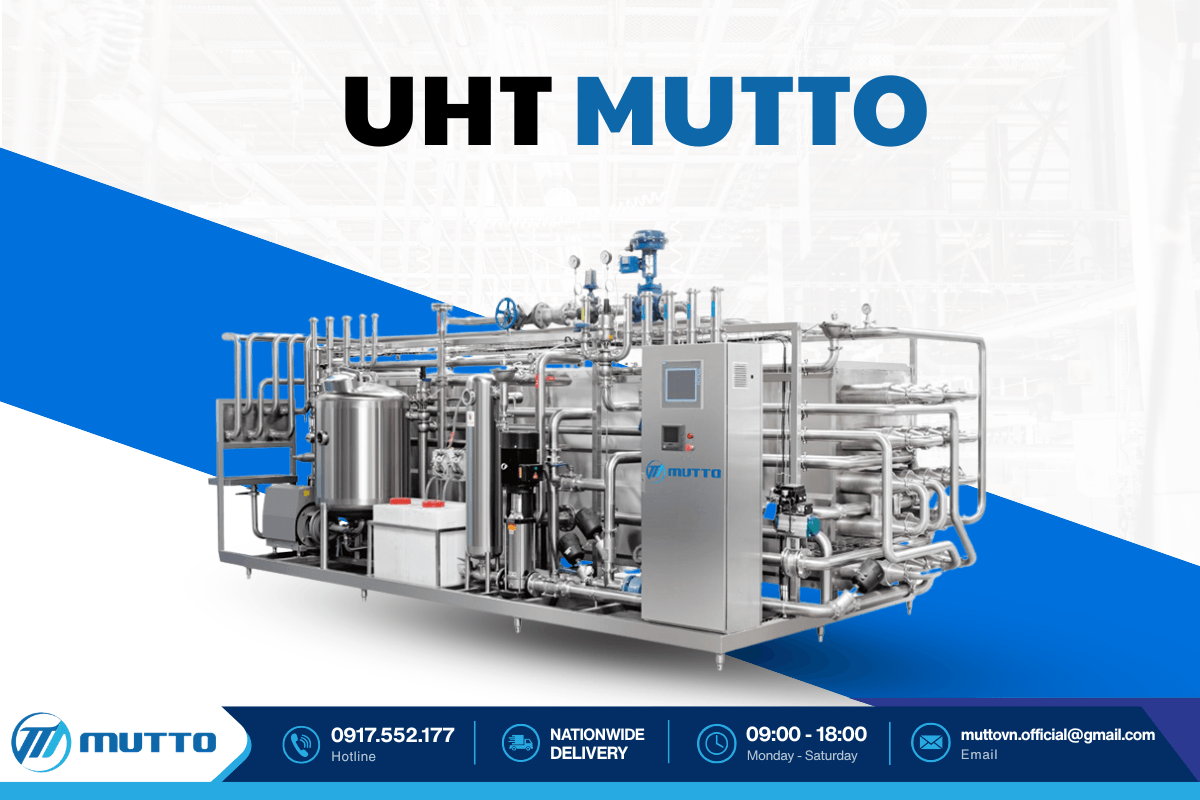
UHT stands for Ultra High (Temperature). This technology processes products at temperatures ranging from 135°C to 150°C for a few seconds. The short processing time is highly effective in eliminating microorganisms..
After UHT processing, the product can be stored at room temperature for 6 to 12 months. No preservatives are needed. No continuous cold chain is required. This is why UHT technology is widely used for pasteurized milk and bottled beverages.
Mutto's UHT sterilizer operates on a tubular principle. Liquid products flow through a heat exchange tube system. The temperature rises rapidly, is held for a short time, and then cools immediately. The entire process takes place in a completely sealed environment.
Suitable for: pasteurized fresh milk, nut milk, fruit juices, premium herbal drinks, and other liquid products requiring absolute sterility. Particularly suitable for businesses wishing to export or distribute on a large scale without investing in a full-scale cold storage system.
>> See more: UHT tubular sterilizer
This is the first and most important criterion. All surfaces in contact with the product and the humid and hot environment must be made of SUS304 or SUS316 stainless steel. This is the minimum standard for equipment in the food and beverage industry.
SUS304 is suitable for most common applications. SUS316 has better corrosion resistance, making it suitable for highly acidic products or salt environments. If the supplier does not clearly state the grade of stainless steel used, that is a sign to be cautious.
In addition to the sterilization chamber and casing, the conveyor belt, spray system, water circulation pipes, and welds should also be inspected. All must meet food-safe material standards. Poorly made welds are breeding grounds for bacteria and are the most difficult to clean.
A good sterilizer must have a reliable automatic control system. At a minimum, it needs a PLC controller and an HMI screen for setting and monitoring operating parameters.
The PLC ensures that temperature and retention time are precisely maintained according to the programmed settings, eliminating reliance on operator manual operation. The HMI screen allows technicians to visually monitor each temperature zone in real time, enabling quick parameter adjustments when product changes are necessary.
In addition, the system should be capable of storing operational data. This is a mandatory requirement when a business needs HACCP or ISO 22000 certification. Each production batch must have complete records of sterilization temperature and time for easy retrieval when needed.
The equipment operates at high temperatures and pressures. Inadequate safety systems pose a serious risk. Standard-compliant equipment must have an automatic safety valve that releases pressure when it exceeds permissible limits. Pressure and temperature sensors must be installed at critical locations. The fault alarm system must operate independently of the main control unit.
Ask the supplier about the safety inspection procedure before accepting the machine. Equipment operating under pressure must be inspected by an authorized unit as stipulated by the Department of Labor.
The machine is good, but the supplier's lack of technical support is a major problem. When the machine breaks down during a production shift, every hour of downtime represents a real cost.
Suppliers need to have a technical team that can come to the site for installation, inspection, and operational training. Completely remote support should not be accepted. Ask clearly: What is the response time in case of a problem? Where are the technicians located? What are the available hours for contact with the factory?
Wear and tear components such as gaskets, valves, nozzles, and sensors need to be replaced periodically. If parts are not available domestically, the waiting time for import can extend to several weeks. The production line is severely affected.
Before signing a contract, confirm that the supplier has a spare parts warehouse in Vietnam. Request a list of commonly used replacement parts and their prices. This will help your business proactively plan maintenance and budget for operations.
No two production lines are exactly alike. Product type, packaging type, required productivity, and factory space all vary between businesses. A good sterilizer should be customizable to the specific needs—not force a business to adapt to a particular machine.
Please request a site survey of the wiring from the supplier before advising on a configuration. A qualified contractor will ask questions about the product, packaging, performance, and operating conditions before providing a quote.
Mutto doesn't just sell machines. Mutto provides sterilization solutions tailored to each business. From equipment selection consultation, installation and commissioning, to long-term operational and maintenance support.
Whether you're producing herbal drinks, milk, juices, or any other liquid product, Mutto has the right solution.
Contact us today for a free consultation and detailed quote. Mutto's technical team is ready to assist you from the very beginning.
MUTTO VIETNAM MACHINERY AND EQUIPMENT CO., LTD. Address: 26-28-30 Street No. 07, Conic Residential Area, Hamlet 5, Binh Hung Commune, Binh Chanh District, Ho Chi Minh City, Vietnam. Hotline (Zalo): (+84) 917552177 Email: muttovn.official@gmail.com Website: https://www.mutto.com.vn/ Facebook: https://www.facebook.com/muttovietnam.official Instagram: https://www.instagram.com/muttovn.official/ Twitter: https://x.com/muttovnofficial TikTok: https://www.tiktok.com/@mutto.vietnam Youtube: http://www.youtube.com/@MuttoVNOfficial

Mainland China Region: Add:Building 6, No. 314 Shenxia Road, Jiading District, Shanghai
Tel:021-69896938
Vietnam Office: Add:26-28-30 Street No.7, Conic Residential, HoChiMinh City , VietNam
Tel:+84 917552177
Email: Email:info@mutto.com.cn
版权所有@2026牧东机械制造(上海)有限公司技术支持:撼云网络
 CN
CN EN
EN VI
VI